Simorgh Publications
-
Years Active:
1985 - Present
-
Publisher location:
Lahore
-
Presented by:
Hira Azmat & Momina Raza
Summary
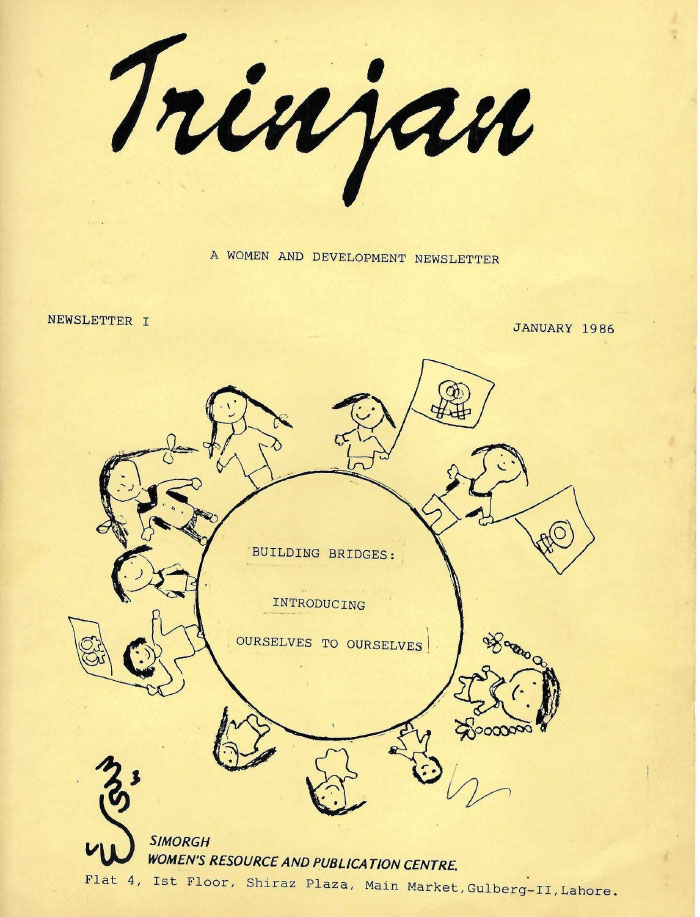
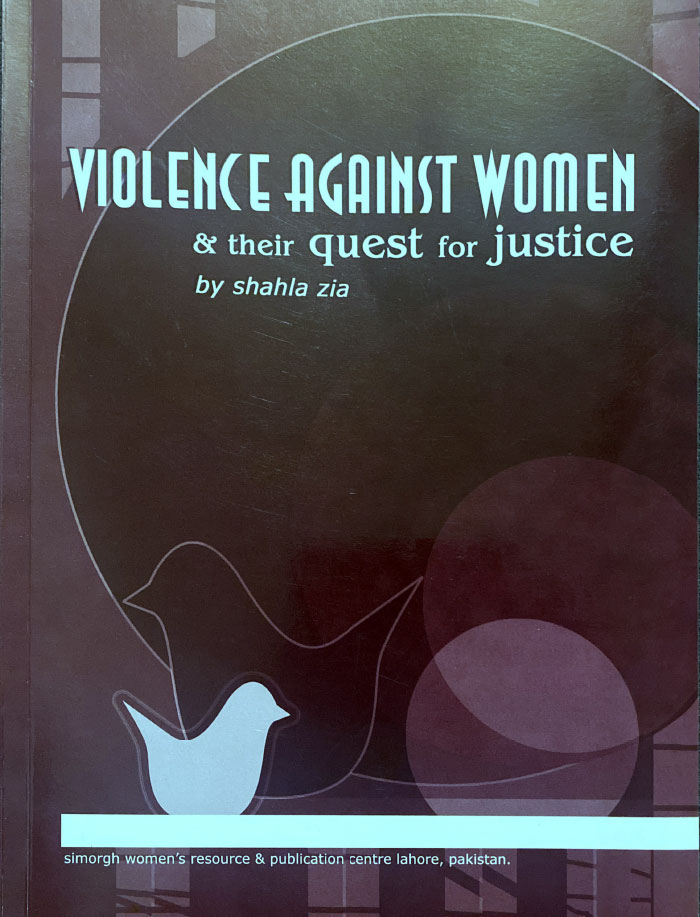
Simorgh Women’s Resource and Publications Centre, founded in 1985, is a non-governmental, non-profit, feminist activist organisation. It was created in response to General Zia’s military rule and to the promulgation of retrogressive and discriminatory legislation that is active to this day in Pakistan. The organisation’s focus is on researching and disseminating information that can enable women and men to challenge the dominance of ideas that perpetuate social and economic divisions based on distinctions between genders, class, religion, race, and ethnicity. Among its publications are several that focus on art and literature, primarily due to the organisation’s founder, Neelam Hussain, having a strong academic background in literature, and the artist Lala Rukh having been one of Simorgh’s board members.
Curatorial Note
The publications selected for inclusion in our Editing Women Archive reflect how enmeshed the organisation’s research and activism work was with their creative productions – there was no clear distinction between the two.
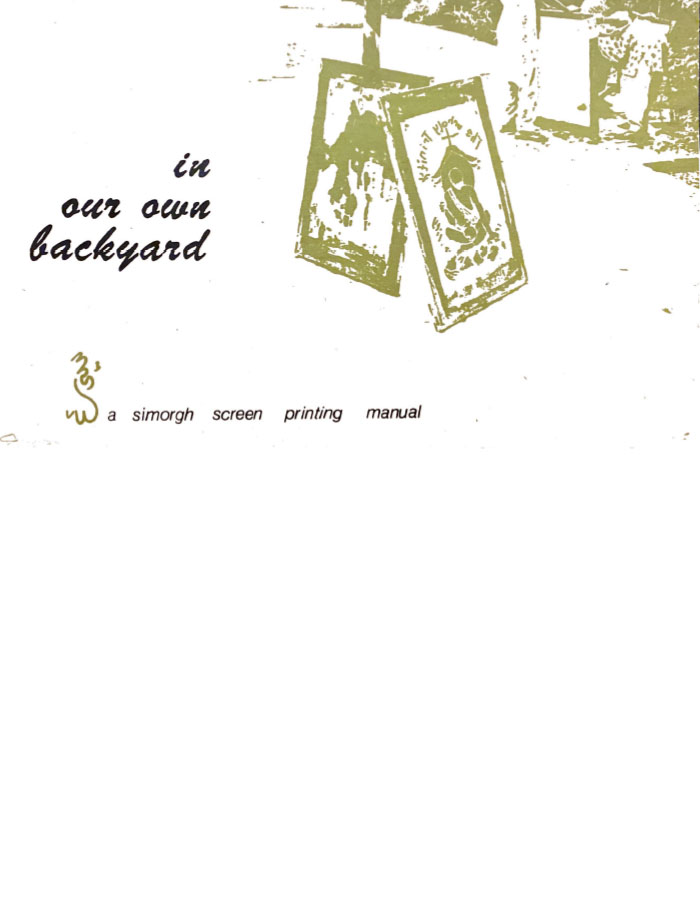
For example, the manual for screen printing created by Lala Rukh, In Our Own Backyard (1987), was ostensibly an art-focused publication, but the reason for its existence is clearly political: local printers controlled by the government in Lahore refused to print the Women’s Action Forum’s (WAF’s) protest materials and newsletters. As a response, Lala Rukh began screen printing, designing, and producing posters herself. During the late 1980s, she set up printmaking workshops to assist women involved in similar movements in the region. The screen-printing manual was devised by Rukh for these workshops, which would usually take place in the backyard of her Lahore home.
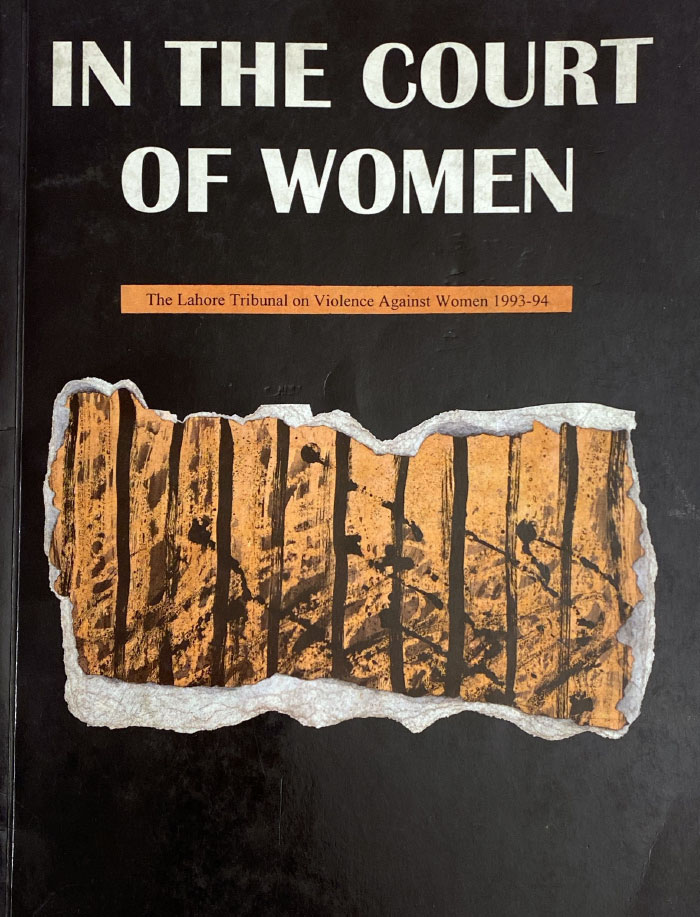
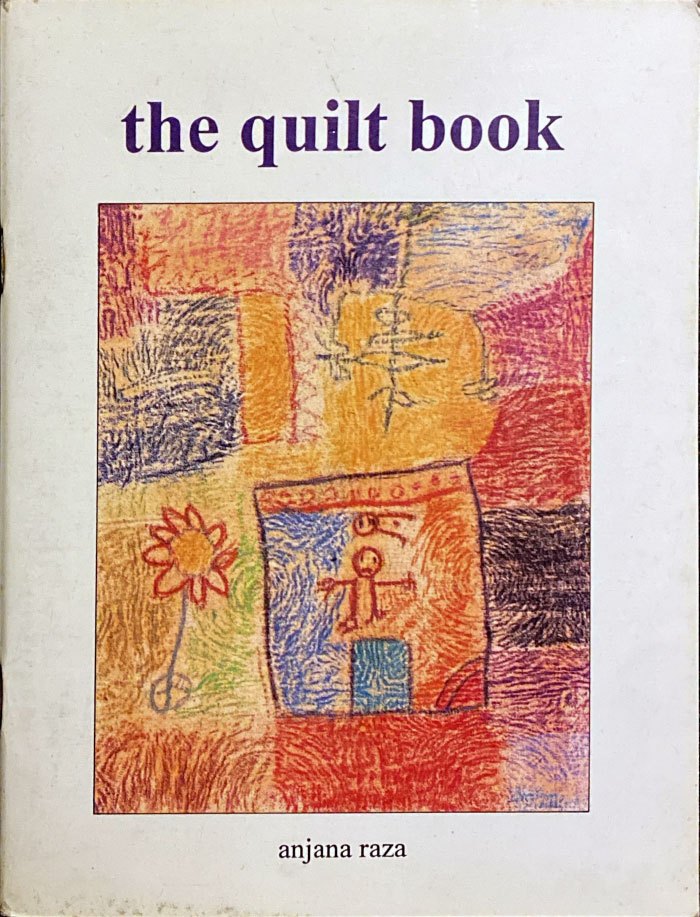
Similarly, In the Court of Women (produced by the Simorgh Women’s Collective and the Asian Women’s Human Rights Council, 1995) is a report on a public tribunal on violence against women. It led to twenty-five art therapy workshops across Punjab and Khyber Pakhtunkhwa organised as a way of collectively documenting and releasing the trauma from stories of violence that had emerged in the tribunal. The culmination of these workshops was the Trinjan quilt project, designed to co-create a visual testimony to violence in the lives of Pakistani women. Over the span of a year, twenty-five panels were made by various groups of women, of whom the youngest child was five, and the eldest woman was in her seventies. The quilt travelled to schools, villages, poor urban settlements, affluent homes, and a number of women’s conferences. The Quilt Book (by Anjana Raza, 1995), also included in the materials, is a poetic retelling of many of these stories and an homage to all the women who sewed this quilt together.
Highlights
The Romance of Raja Rasalu and Other Tales
2007
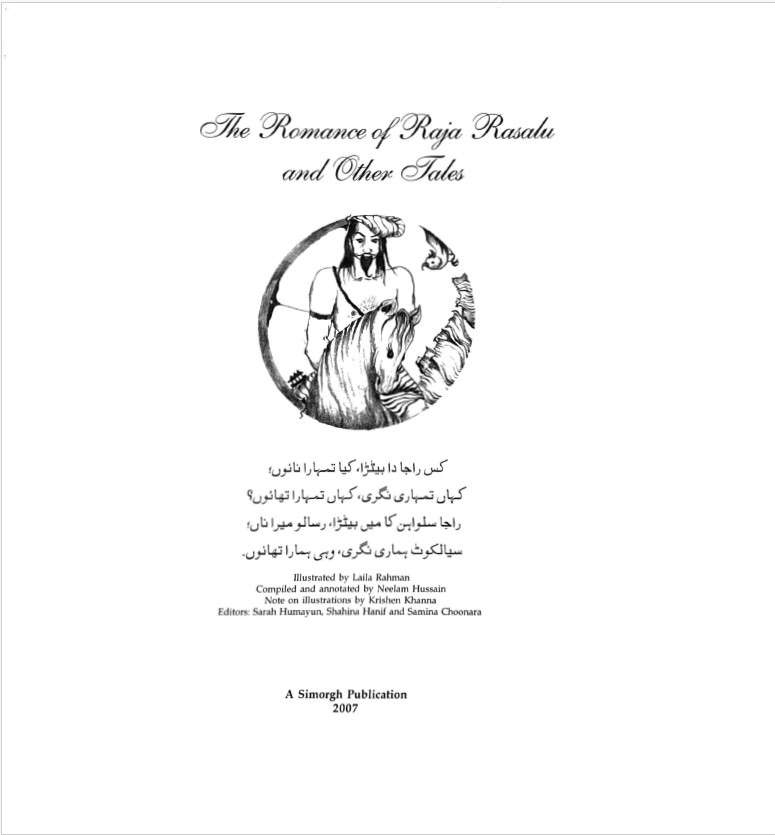
The collection, The Romance of Raja Rasalu and Other Tales, explore the legendary hero, Raja Rasalu, whose life of adventure and romance unfolds in a world where the boundaries between humans, fauna and the supernatural are constantly blurred.
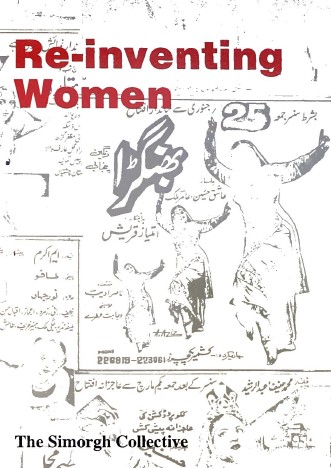
Reinventing Women
1996
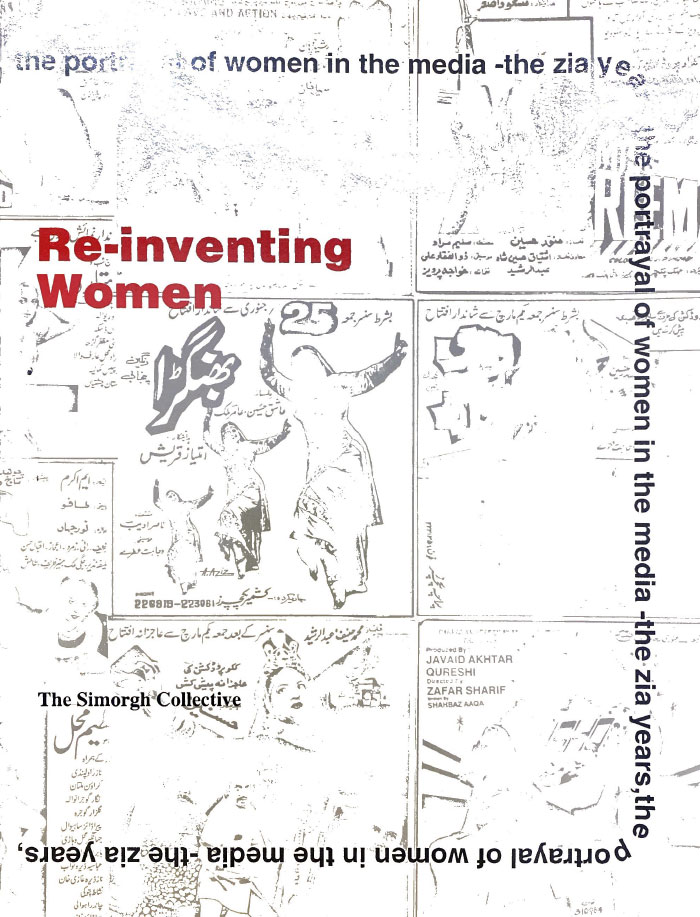
The Simorgh Collective’s Reinventing Women is a collection of essays that examines the representation of women in Pakistani media during the repressive regime of Zia-ul-Haq (1985-1986).
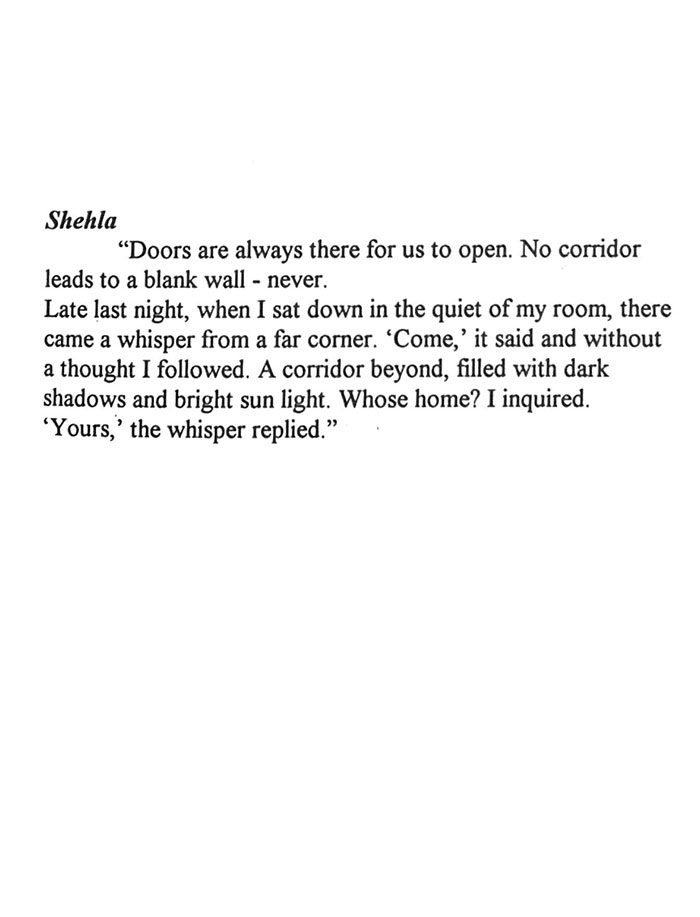
The Quilt Book
1995
Published in 1995 by Simorgh, Anjana Raza’s The Quilt Book documented the Trinjan Quilt Project by transforming women’s talk and experiences shared during the project into anonymised stories.
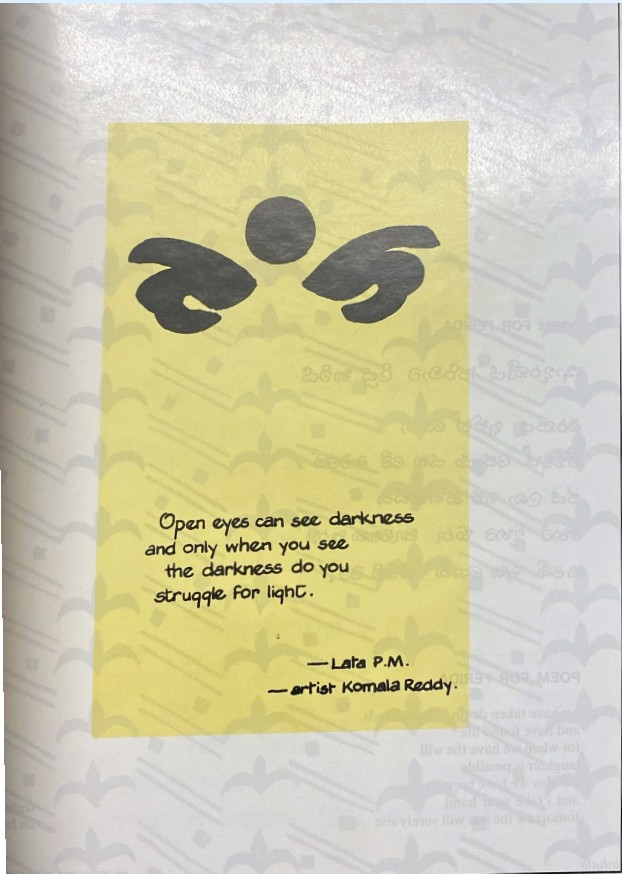
Hamari Kitaab
1989
The booklet, Hamari Kitaab (“Our Book”) documents a 24-day regional screen-printing workshop held in Lahore in December 1987.
Details
-
Periodicity:
Multiple publications produced annually from 1985 to the present
-
Price:
Variable
-
Language:
English and Urdu
-
Permissions:
Permission was obtained from Professor Neelam Hussain of Simorgh Women’s Resource and Publications Centre to digitize the selected publications and make this material accessible via the Editing Women in the Archives website.
Community Comments
Community Comments
See the Full Magazines